If you are thinking about moving to Shropshire, you are in good company. One of England’s largest and most sparsely populated counties, Shropshire has been quietly attracting relocators — from Birmingham commuters and remote workers to retirees and young families — who have discovered that it offers an exceptional quality of life at a price point that is increasingly hard to find elsewhere in England.
At Wrekin Moving & Storage, we have helped thousands of people make the move to Shropshire over the years. Based in Telford and Shrewsbury, we know this county intimately — its towns, its roads, its rhythms, and what makes each part of it special. This guide covers everything you need to know about living in Shropshire in 2026: from property prices and the job market to schools, transport, and the best places to put down roots.
What Is It Like Living in Shropshire?
Living in Shropshire means occupying a genuinely rare position in England: rural without being isolated, historic without being preserved in aspic, and affordable without feeling like a compromise. The county covers over 1,300 square miles of border country between the English Midlands and Wales, taking in the medieval county town of Shrewsbury, the Georgian market towns of Ludlow, Oswestry, Bridgnorth and Whitchurch, the new town of Telford, and hundreds of villages and hamlets scattered across one of the most beautiful landscapes in England.
It is a county of contrasts. Shrewsbury — looped almost entirely by the River Severn — is a genuine urban centre with a strong cultural scene, excellent independent shops, and direct rail connections to Birmingham and Manchester. Ludlow, an hour to the south, is one of England’s finest medieval market towns and a serious destination for food lovers. Between them, the Shropshire Hills — a National Landscape designated for its outstanding natural beauty — contain some of the most dramatic walking country in the whole of England.
The pace of life is measurably slower than in Birmingham, Manchester, or London. That is not a euphemism for dullness — Shropshire has a rich arts, food, and cultural scene — but it does mean that people tend to know their neighbours, communities are genuinely close-knit, and the stresses of city living recede quickly once you settle in.
Property Prices in Shropshire
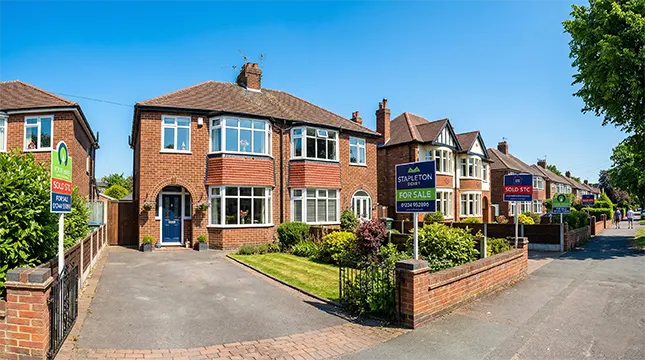
For buyers and movers, Shropshire’s property market is one of its most compelling arguments. The average house price in Shropshire was £282,000 in November 2025 — up 4.2% from November 2024 — according to ONS data sourced from HM Land Registry. That places Shropshire comfortably below the national average of £271,000 on a like-for-like basis, once you account for what your money actually buys here compared to cities.
Average sold prices across the county were around £295,000 as we entered 2026, positioning Shropshire comfortably below national values while maintaining consistent buyer demand.
The market’s variety is one of its great strengths. Telford, Shropshire’s largest urban centre, offers some of the most affordable housing in the county, with the most affordable postcode sector in Shropshire being TF7 5 with an average price of £166,000, while the most expensive is SY6 7 at £535,000, the latter covering the premium villages around Church Stretton in the heart of the National Landscape.
First-time buyers paid an average of £229,000 in Shropshire in November 2025, while home-movers paid an average of £331,000 — figures that represent genuinely achievable homeownership for households who would face a much steeper climb in neighbouring counties.
By property type, the picture is similarly appealing. Terraced houses average around £228,000, semi-detached homes around £255,000, and detached properties, the most commonly sold type in the county, around £440,000. Flats remain the most affordable entry point at around £151,000. In practical terms, this means a young family can buy a three-bedroom detached house in many parts of Shropshire for what would barely purchase a two-bedroom flat in large parts of the South East.
The market entered 2026 in a stable, positive shape. Shropshire moves into spring with a balanced, dependable housing market, according to local estate agents, with steady enquiry levels across first-time buyer, family, and rural home segments.
The Best Places to Live in Shropshire
Shropshire’s geography means that choosing where to live is as much about lifestyle as it is about logistics. Here is a guide to the main areas and what each offers.
Shrewsbury
Shrewsbury is Shropshire’s county town and its cultural and commercial heart. Wrapped almost entirely in a loop of the River Severn, the town has over 600 listed buildings, a thriving independent shopping scene centred on the revitalised Market Hall, and a medieval street layout that makes it one of the most visually distinctive towns in England. Its annual events — including the famous Shrewsbury Flower Show and boat races on the Severn — draw visitors from across the region.
For residents, Shrewsbury offers the best of both worlds: a genuine town-centre buzz with excellent restaurants, independent retailers, and a strong arts scene, combined with quick and easy access to open countryside. It is the most commuter-friendly location in the county, with direct train services to Birmingham, Manchester, and connections to London. Property here is priced at a modest premium to the county average, but still represents outstanding value by national standards.
Telford and Wrekin
Telford was built as a new town in the 1960s and 1970s, developed around the historic Ironbridge Gorge — a UNESCO World Heritage Site and the globally recognised birthplace of the Industrial Revolution. Today it is Shropshire’s most populous area, offering some of the county’s most affordable housing, a strong and diverse employment base, and excellent road connections via the M54.
Ironbridge itself is a destination in its own right: the gorge, the museums, and the riverside setting make it one of the most visited locations in the county. The wider Telford area offers modern amenities, well-regarded schools, and direct motorway access to Birmingham — making it a natural landing point for West Midlands families looking to relocate to more space and a better quality of life.
Ludlow
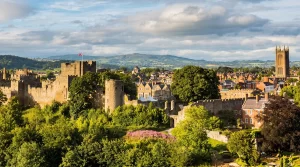
Consistently ranked among England’s finest market towns, Ludlow is Shropshire’s food and culture capital. Its medieval streets, half-timbered buildings, and Norman castle provide an extraordinary backdrop for everyday life, while the town’s reputation for exceptional food — built around its annual food festival and a concentration of outstanding independent restaurants — has made it nationally famous.
According to Garrington Property Finders’ 2025 Best Places to Live rankings, Ludlow was named the top location in Shropshire, scoring highly for natural beauty, wellbeing, and heritage. Property prices here carry a premium over the county average, but for buyers who can afford it, Ludlow offers a lifestyle that is virtually unmatched in rural England.
Church Stretton
Nestled in the heart of the Long Mynd and Shropshire Hills National Landscape, Church Stretton is affectionately known as “Little Switzerland” — a nickname that speaks to both its dramatic valley setting and its Alpine atmosphere. It is a small town with a big personality: a railway station with services to Shrewsbury and Birmingham, a strong independent retail and arts scene, and direct access to some of the finest walking and cycling terrain in England.
Property prices here command a significant premium, reflecting both the scarcity of available homes and the extraordinary setting. For those who can make the numbers work, Church Stretton is one of the most desirable addresses in the Midlands.
Oswestry
Situated close to the Welsh border in the north-west of the county, Oswestry is a thriving market town with a strong independent identity. Its medieval town centre, ancient hill fort, and regular market days give it a character that is genuinely distinct from the rest of the county. The town has been attracting growing numbers of buyers from the West Midlands in recent years, drawn by its affordability, its strong community feel, and its position at the junction of several major A-roads.
Bridgnorth
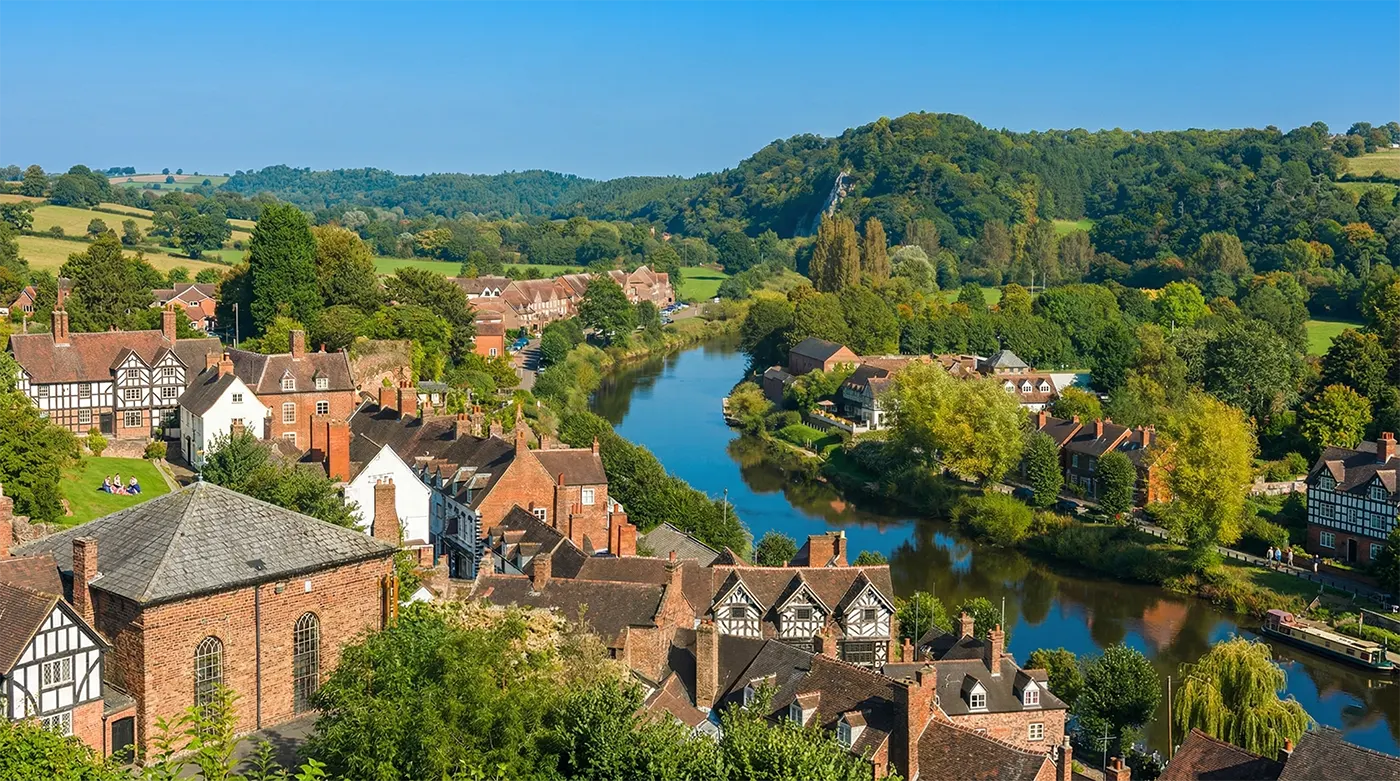
Bridgnorth sits on the River Severn in the east of the county and is one of Shropshire’s hidden gems. The town is split between High Town and Low Town — connected by a famous cliff railway — and offers riverside walks, a castle ruin, independent shops, and regular markets. It is the closest of Shropshire’s market towns to the West Midlands conurbation, making it well-placed for buyers who want the county’s rural character with an easy commute to Birmingham or Wolverhampton.
Schools in Shropshire

Education is one of Shropshire’s genuine strengths, and for families considering a move, the quality and variety of schooling on offer is a significant part of the appeal.
The county offers a broad range of well-regarded state primary and secondary schools, many of which achieve positive Ofsted ratings. Shrewsbury is home to some of the most prestigious independent schools in the country — Shrewsbury School, founded in 1552, is one of England’s leading boarding schools — alongside well-regarded preparatory and grammar schools that attract families from across the West Midlands.
Newport, in the east of the county, is particularly notable for its schools. Newport Girls’ High School and Adams’ Grammar School (Haberdashers’ Adams) are both selective state schools with outstanding Ofsted ratings, and the town’s educational offer is one of the strongest in the West Midlands region.
For further education, Shrewsbury Colleges Group provides academic and vocational courses, while Harper Adams University — in nearby Newport — is one of the UK’s leading agricultural and food science universities, attracting students from across the country.
Employment and Economy

Shropshire’s economy is primarily built around small businesses, with self-employment significantly higher than the national average. Key sectors include land-based industries, health, education, retail and manufacturing. Employment is largely concentrated in Shrewsbury and the main market towns of Oswestry, Market Drayton, Whitchurch, Bridgnorth, and Ludlow.
Telford is the county’s main manufacturing and engineering hub, with significant employers including Ricoh, Epson, and GKN Aerospace providing jobs in advanced production, research, and development. Shrewsbury serves as the centre for healthcare, professional services, and public sector employment, anchored by the Royal Shrewsbury Hospital.
For those who work remotely or run their own businesses — an increasingly common profile among Shropshire’s newer arrivals — the county offers a compelling proposition: fast broadband is increasingly available across the county, property costs are a fraction of city equivalents, and the quality of life is considerably higher.
The Shropshire Growth Hub assisted 1,420 businesses in 2024, helped 195 start-ups, and ran 123 events attracting over 2,500 delegates, reflecting a county that is actively investing in its economic future. In January 2026, Shropshire, Herefordshire, and Telford & Wrekin councils launched a major joint plan to boost jobs, skills, and economic growth across the Marches region, with a particular focus on reducing economic inactivity and closing skills gaps in key sectors.
Transport and Connectivity
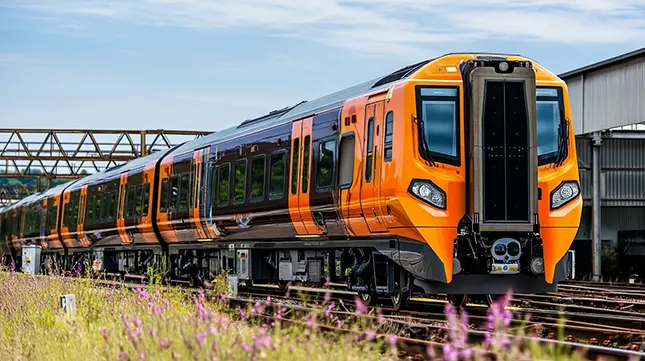
Transport is one of the honest conversations to have about living in Shropshire. The county’s rural character is a huge part of its appeal, but it does mean that a car is essential for most residents outside of Shrewsbury and Telford.
Shrewsbury is the county’s main rail hub, with direct services to Birmingham (approximately 1 hour), Manchester (approximately 2 hours), and connections to London. The Cambrian Line runs westward through Wales, and the Welsh Marches Line connects to Cardiff via Hereford. Church Stretton and Ludlow both have stations on this line, making them more accessible by rail than many comparable rural towns.
The road network is anchored by the M54 — the motorway connecting Telford to the M6 and Birmingham — and the A5 corridor running across the northern part of the county. Birmingham Airport is around 50 minutes by road from Shrewsbury, providing international connections.
It is worth being clear that rural bus services in parts of the county — particularly North Shropshire — have been a long-standing challenge. Helen Morgan, MP for North Shropshire, has described some rural areas as having “some of the worst transport links in the country”, a view shared by many residents in more remote communities. This is less of an issue in Shrewsbury, Telford, and the main market towns, but anyone considering a move to a more rural location should research local bus provision carefully.
Plans for improved connectivity are in progress. MPs and Midlands Connect have been advocating for improvements to the rail network between Wolverhampton and Shrewsbury, as well as road improvements along the A5 and M54 corridor, which would significantly boost the county’s connectivity to the wider region.
The Great Outdoors
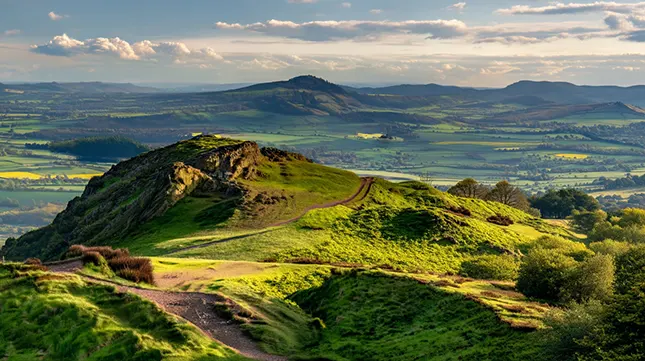
For anyone who loves the countryside, living in Shropshire is a genuinely exceptional experience. The Shropshire Hills National Landscape covers around a quarter of the county’s southern area and includes some of the finest walking, cycling, and horse-riding terrain in England.
The Long Mynd — a high, sweeping plateau rising above Church Stretton — is the jewel of the National Landscape. Its heather-covered moorland, steep-sided valleys, and commanding views over the Welsh borders make it a world-class walking destination. Carding Mill Valley, owned by the National Trust, is one of the most accessible and beloved family destinations in the region.
Wenlock Edge — the long limestone escarpment running through the heart of the county — offers dramatic views, ancient woodland, and a geological history spanning 425 million years. The River Severn winds through the county from the Welsh highlands to the Ironbridge Gorge, offering riverside walks, fishing, kayaking, and some of Shropshire’s most scenic pubs.
Shropshire also has one of the longest rights-of-way networks in England, with around 4,380 kilometres of public footpaths and 965 kilometres of byways and bridleways. For families, cyclists, horse riders, and anyone who wants to spend their weekends genuinely outside, Shropshire is outstanding.
Food, Culture, and Community
Shropshire punches well above its weight culturally, particularly given its relatively small population of around 330,000 people. Ludlow’s food scene is internationally recognised — the annual Ludlow Food Festival is one of the country’s most acclaimed, and the town has long been known for its concentration of outstanding restaurants and independent food producers.
Shrewsbury offers a strong arts and culture offer centred on Theatre Severn, a major regional venue, alongside a year-round programme of events including the Shrewsbury Flower Show — one of the UK’s largest outdoor flower shows — and the International Street Theatre Festival. The town’s independent retail scene, anchored by the revitalised Market Hall, is one of the finest in the Midlands.
Community life across the county is genuinely strong. Market days remain an important fixture in towns including Shrewsbury, Ludlow, Oswestry, and Bridgnorth, and local events — food festivals, agricultural shows, arts events, and village fetes — bring communities together throughout the year in a way that is less common in urban environments.
Shropshire’s heritage is extraordinary. Ironbridge Gorge — the UNESCO World Heritage Site widely regarded as the birthplace of the Industrial Revolution — is a remarkable place to visit and to live near. The county’s castles, medieval churches, half-timbered buildings, and Iron Age hill forts tell a story spanning thousands of years of human history.
Why Choose Wrekin Moving & Storage for Your Move to Shropshire?

Making the decision to move to Shropshire is the exciting part. The logistics of getting there is where Wrekin Moving & Storage comes in.
Based in Telford and Shrewsbury, we are Shropshire’s trusted removal and storage specialists, with extensive experience of moves across the county and throughout the UK. Whether you are relocating from Birmingham, London, the South East, or anywhere else in the country, our experienced, professionally trained teams will ensure your move is handled with care, efficiency, and complete transparency from start to finish.
Our services include full home removal surveys (in person or by video), professional packing and unpacking, specialist handling for antiques, pianos, and fragile items, and secure containerised storage for customers who need flexible solutions during their move. We serve every part of Shropshire — from Shrewsbury and Telford to Ludlow, Oswestry, Bridgnorth, Whitchurch, and the rural communities in between.
If you are thinking about moving to Shropshire and would like to discuss your requirements, contact us for a free, no-obligation quote. We would love to help you make it happen.
Frequently Asked Questions About Living in Shropshire
Is Shropshire a good place to live? Yes — consistently so. Shropshire offers an outstanding quality of life combining affordable property, beautiful countryside, strong schools, a genuine community feel, and a rich cultural heritage. It is particularly well-suited to families, retirees, remote workers, and anyone seeking more space and a slower pace of life without sacrificing access to urban amenities.
What are house prices like in Shropshire? The average house price in Shropshire was £282,000 in November 2025, up 4.2% year-on-year — well below the national average and significantly below neighbouring counties to the south and east. First-time buyers can typically enter the market for around £229,000, while detached family homes are available from around £300,000 in most parts of the county.
What are the best towns to live in Shropshire? Ludlow was ranked the top place to live in Shropshire by Garrington Property Finders in 2025, followed by Newport and Shrewsbury. Church Stretton is widely considered the most scenic and desirable smaller town. Telford offers the best value and the strongest employment base, while Bridgnorth, Oswestry, and Much Wenlock each have their own distinct appeal.
How well-connected is Shropshire for commuters? Shrewsbury has direct rail services to Birmingham (around 1 hour) and Manchester (around 2 hours). The M54 connects Telford directly to the M6 and Birmingham. Rural areas of the county are less well-served by public transport, and a car is generally essential outside the main towns.
What is the countryside like in Shropshire? Extraordinary. The Shropshire Hills National Landscape covers a significant portion of the county’s south and includes the Long Mynd, Carding Mill Valley, Wenlock Edge, and the upper Severn valley. The county has around 4,380 kilometres of public footpaths and is outstanding for walking, cycling, and horse riding.
Does Wrekin Moving & Storage cover the whole of Shropshire? Yes. We cover every part of Shropshire including Shrewsbury, Telford, Ludlow, Oswestry, Bridgnorth, Whitchurch, Church Stretton, Market Drayton, Newport, and the surrounding villages and rural areas. We also handle long-distance moves from elsewhere in the UK into Shropshire.